Coffee in Pakistan
Imported instant coffee for a proper cup at home, with genuine sealed jars and printed expiry dates.
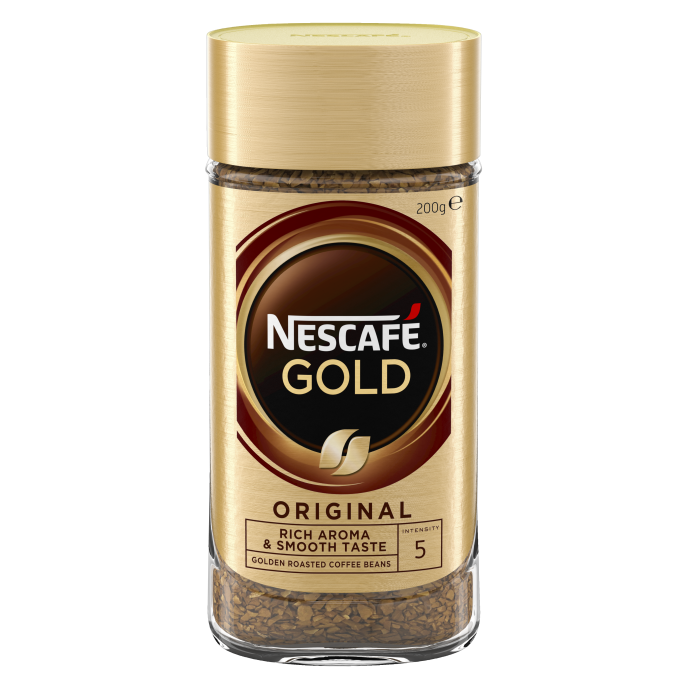
Good coffee at home is one of life's affordable luxuries, and imported instant coffee is how most Pakistani households get it without a machine. The gap between a premium imported jar and the average local instant is immediately obvious in the cup: cleaner flavour, better aroma, no bitter aftertaste. This page covers what makes imported coffee worth it and how to get the best from every jar.
Why Imported Instant Tastes Better
The difference is in the process. Premium imported instants like Nescafe Gold use freeze drying, which preserves the coffee's aromatic compounds far better than the spray drying used for cheaper instants. The result is granules that smell like actual coffee when you open the jar and dissolve into a cup with depth rather than just bitterness. A 200g jar of Nescafe Gold makes roughly 110 cups, which brings the per cup cost to about PKR 29, well below any cafe and competitive with daily doodh patti habits once you count the milk and time. You are paying for the process, and you can taste it.
Making the Most of Your Jar
Use water just off the boil, not rolling boiling, which scorches the delicate aromatics; one to two teaspoons per cup depending on strength preference. For milk coffee, warm the milk separately and add the dissolved coffee rather than boiling them together. For iced coffee, dissolve the granules in a splash of hot water first, then pour over cold milk and ice, because granules will not dissolve properly in cold liquid alone. Always use a completely dry spoon and reseal the jar immediately; in our humidity, a jar left open near the stove clumps within days. Stored properly, the jar stays fresh to the printed expiry date.
Authenticity and Freshness
Imported coffee is a frequent target for diversion and repacking, so buy with the same care as any import. Genuine jars arrive with the foil seal fully intact under the lid, granules that are golden brown and free flowing, a readable batch code on the base, and a printed expiry date with months of shelf life. Dark clumped granules or a broken seal mean moisture damage or tampering; reject the jar. Every coffee product we sell is verified against these checks before it lists, and anything that fails never reaches a customer.
Coffee and Your Routine
A morning cup is a ritual, and the right coffee makes it something to look forward to rather than a caffeine chore. Keep the jar where you make it, not above the stove where heat and steam attack it. If you share the jar with the family, the 200g size typically lasts two to three weeks of daily use, so time your reorders to avoid the dreaded empty jar Monday. Pair your coffee shelf with our stevia sweetener if you are cutting sugar, and remember that cash on delivery means you never pay before the jar is in your hand.
Storing Coffee in Humid Kitchens
Pakistani kitchens are coffee's natural enemy: steam from the stove, monsoon humidity and heat all attack the jar. Store it in the coolest cupboard, never on a shelf above the cooking range, and never transfer granules to a decorative jar that does not seal properly. If you buy in bulk, keep the working jar small and the reserve sealed until needed. Signs your coffee has suffered are clumping, darkening and a flat smell on opening; a jar stored correctly stays golden and fragrant to the last spoon. These habits cost nothing and protect every rupee you spent on the import.
One more habit worth building: buy your next jar before the current one empties, because running out on a busy morning is how people end up overpaying at the nearest mart for whatever is on the shelf.